Blog · AI & Productivity
AI Doesn't Make Work Easier, It Makes It Invisibly Harder
Daan van Drunen & Olaf Lemmens, AI Content Specialist & Founder NinA AI Agency · February 11, 2026 · 6 min read
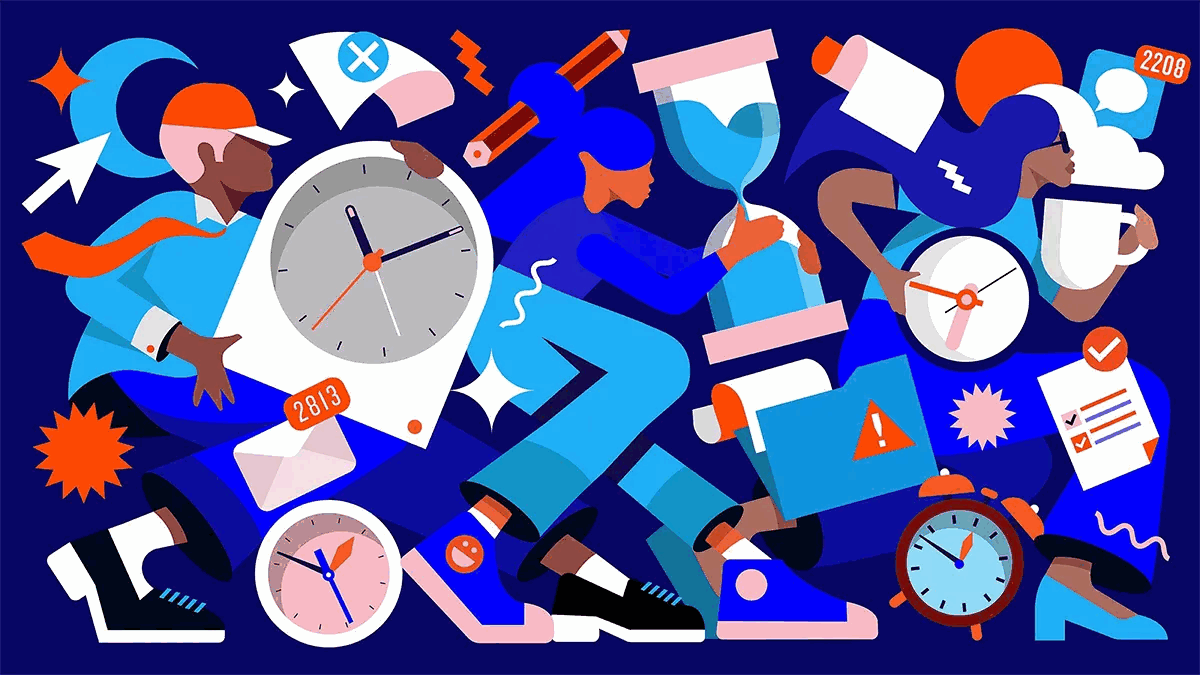
AI feels like an accelerator, but according to Harvard it can also be a trap.
Harvard published a study this week that stuck with me. They researched what AI actually changes in the workplace. Not the promises. But the behavior. The practice.
What did they find?
AI doesn't reduce work. It multiplies it. Silently.
The researchers followed a tech company in the US for months. Employees used AI voluntarily, without obligation. They started working faster, took on more tasks and let their workday seep into the evenings. Not because they had to, but because they could.
AI felt like help, but secretly made the workload heavier.
Time to put our finger on the sore spot. What if AI doesn't free us, but slowly consumes us instead?
TL;DR:
- •AI makes work easier to start, but harder to stop
- •The voluntary productivity sprint can turn into silent overload
- •Organizations must actively regulate AI use, not just encourage it
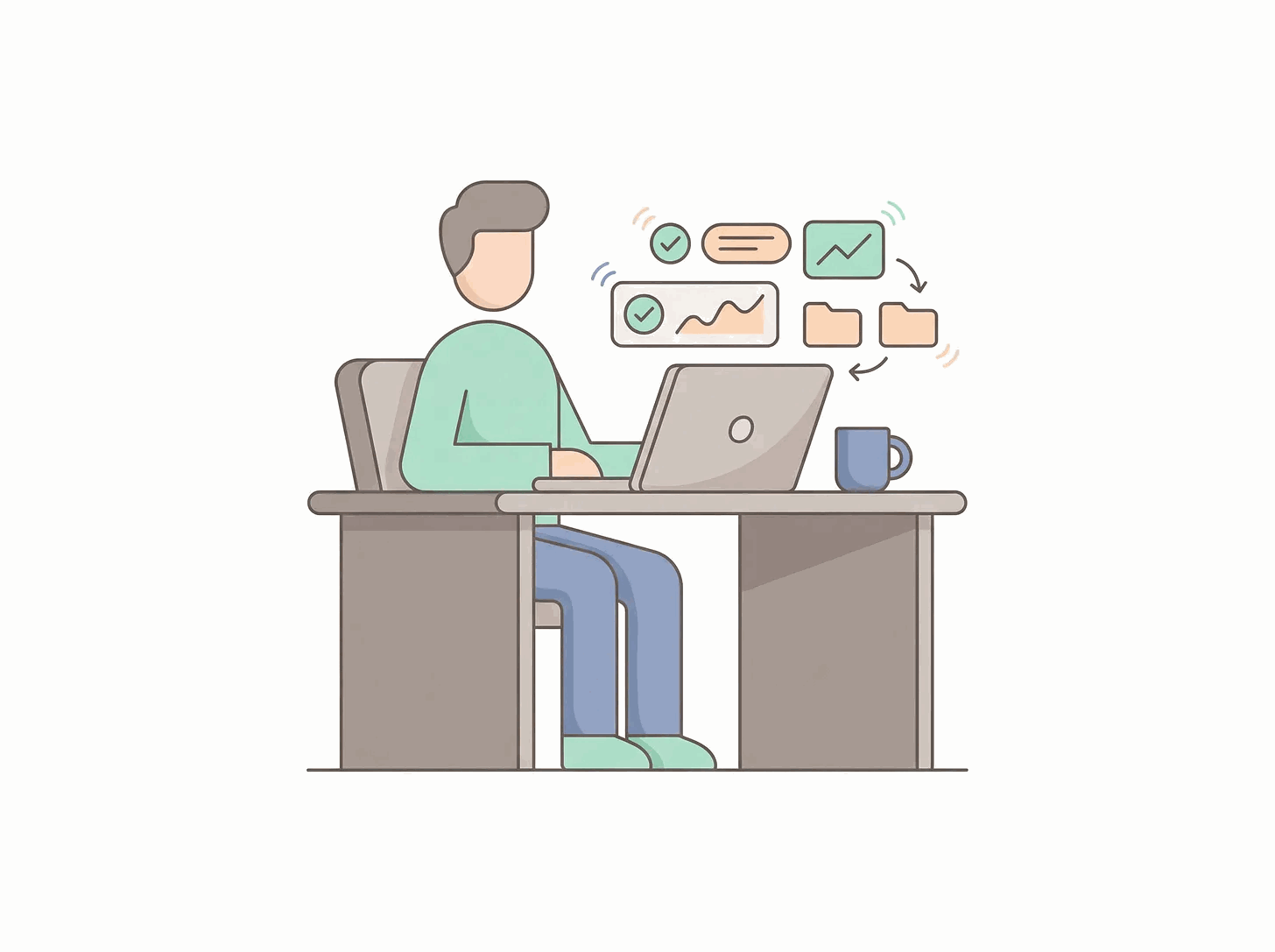
AI feels like help, but behaves like an accelerator
In an eight-month study at a tech company with 200 employees, researchers saw how AI increased the pace of work, without anyone giving the order.
The patterns they found? Recognizable.
People took on work outside their formal role.
Designers started writing code. Researchers started developing. Because AI made it possible. Because it was fun. And because no one stopped them.
Work shifted to moments that were once breaks.
A quick prompt during lunch. Generating something just before closing your laptop. It didn't feel like extra work, until it turned out to be.
Multitasking became the norm.
AI ran in the background. People worked on multiple things simultaneously. The workday became a tangle of tasks, status checks and mental switches.
The result: employees felt more productive, but not less busy. In some cases, even more so.
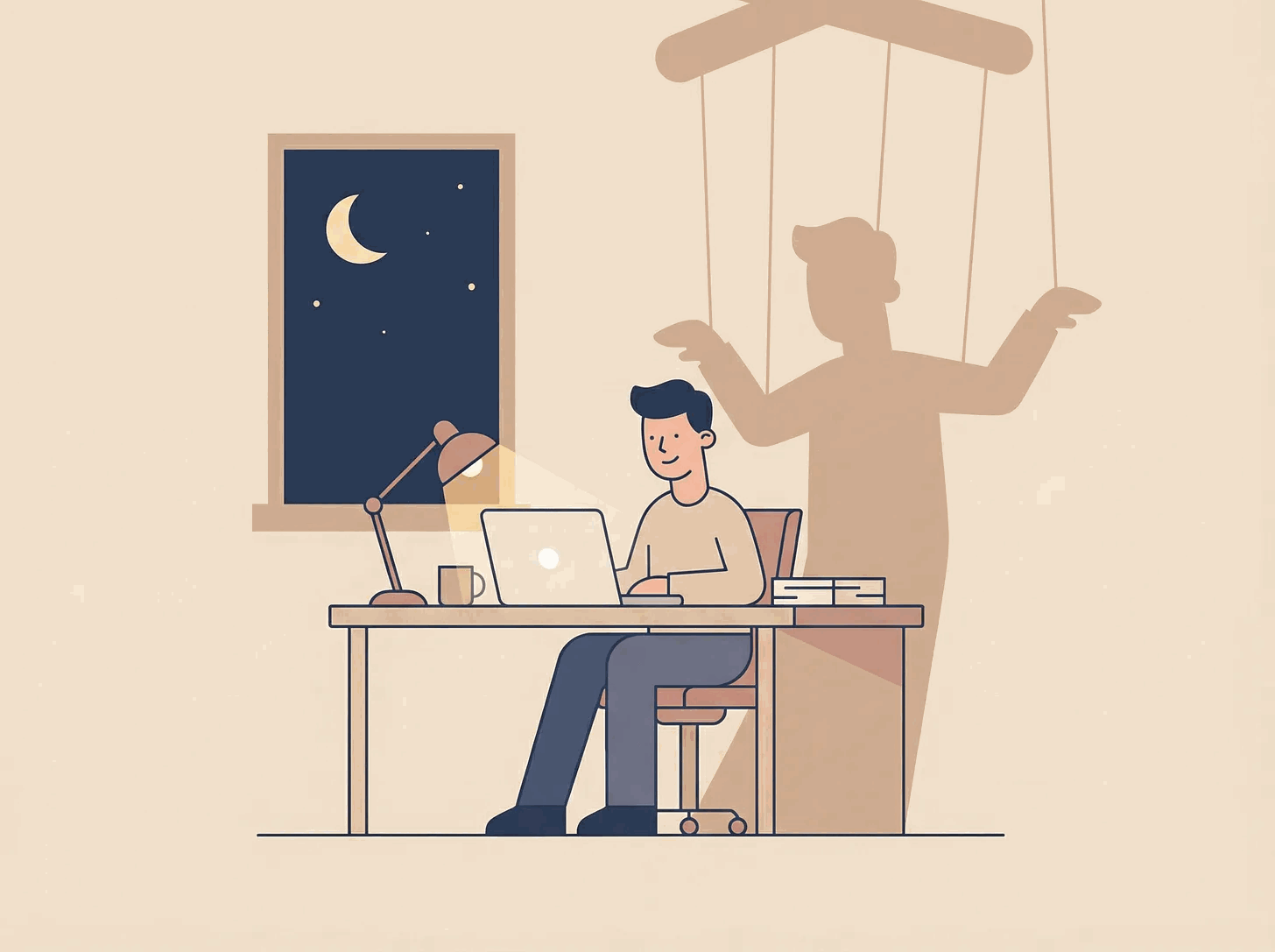
The illusion of voluntary overload
What AI makes possible quickly becomes an expectation. Not from management, but from the work floor itself. When everyone seems to work faster, slowing down suddenly feels like failure.
A silent pressure emerges: if AI helps you do more, why aren't you doing more?
That mindset is dangerous.
Because even though AI feels like a 'partner', it remains a machine without a pause button. The human side (mental load, creativity, rest) comes under pressure. And if we don't make agreements about it, we lose oversight.
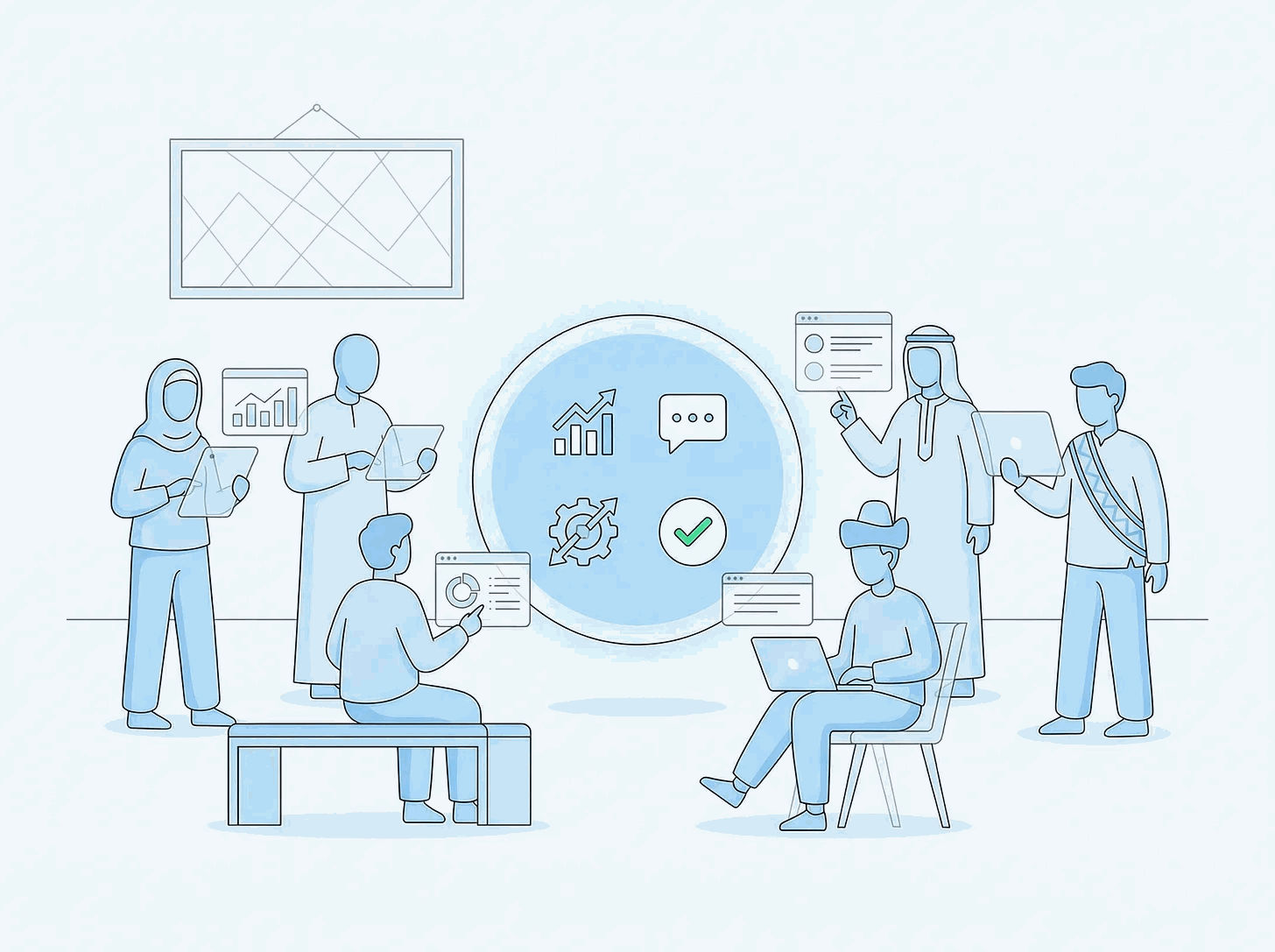
Time for an AI practice
What can leaders do? Not go back to the past, but move forward with more direction.
A few suggestions from the research:
1. Implement conscious pauses
Sounds simple, is essential. Build in checkpoints for reflection and recalibration. Especially before important decisions.
2. Restructure work in phases, not continuous flow
Not every output needs immediate processing. Work in rhythms. Protect uninterrupted work time. Bundle updates. Reduce the need for multitasking.
3. Organize human contact
Make sure teams keep talking. Leave room for doubt, feedback, perspective. Not everything needs to go through prompts. Creativity needs people, not just models.
Conclusion: AI requires leadership, not just adoption
Let me be honest: I love AI. It gives power, speed, possibilities. But without boundaries, that power becomes a trap.
If we only see AI as an accelerator, we forget what we're accelerating for. Then we're busy doing more, without knowing if it's better.
We shouldn't blindly optimize work, but consciously design it.
And it starts with a simple question to your team:
"Does it feel like you can do more, or like you must do more?"
That's the difference between accelerating and drowning.