Blog · AI & Business
The 4 Phases of AI Adoption: Why 77% of Companies Get Stuck in Phase 1
Olaf Lemmens, Founder NinA AI Agency · August 9, 2025 · 12 min read
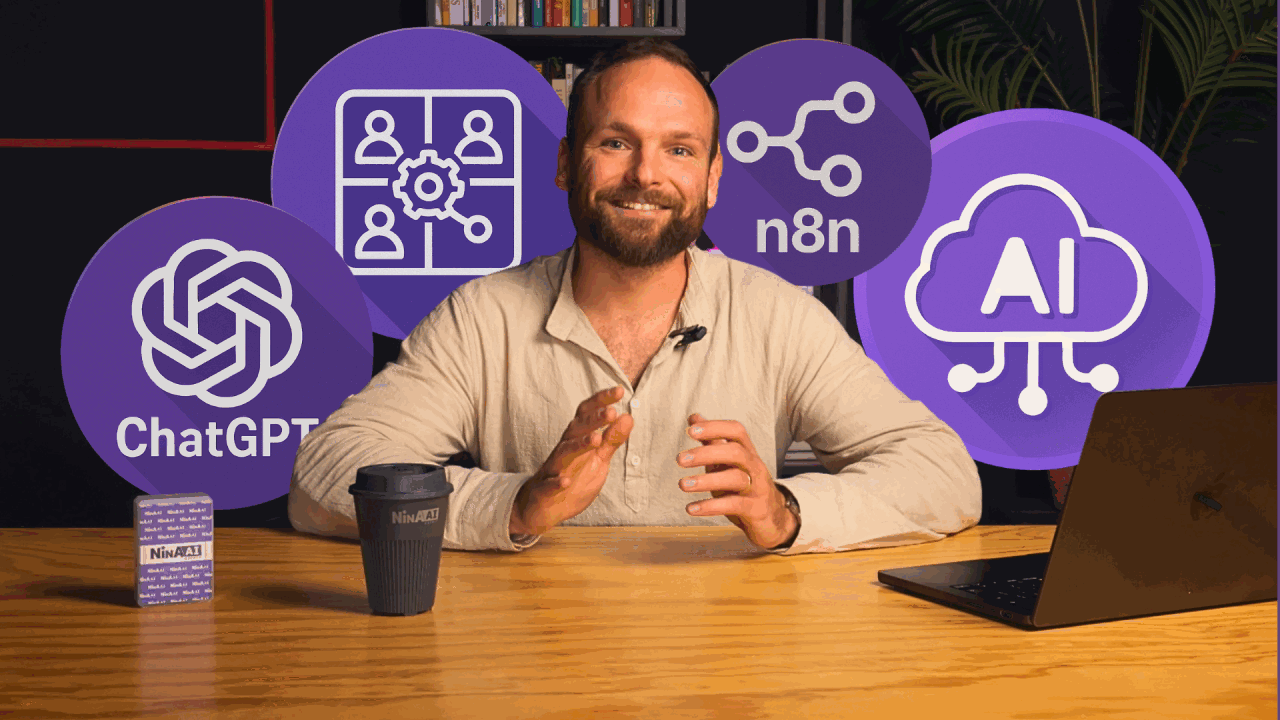
I get the same question every week: "Olaf, we use ChatGPT, but what now?"
Then I tell them that using ChatGPT is roughly the same as having an Excel license. Nice, but what are you going to do with it? Have you trained everyone? And which tasks should employees be relieved of — not everyone should be experimenting on their own.
The numbers don't lie. The number of companies using AI grew from 55% to 78% in one year. But only 1% considers itself mature in AI adoption.
That means 77% got stuck somewhere along the way.
At NinA AI Agency, we've guided over 120 companies (PROUD!).
And what we've developed are the four phases of AI adoption. Some clients start at phase 1, others jump straight to phase 4, but never without a clear plan.
TL;DR
- ▸78% of companies use AI, but 77% get stuck in loose experiments
- ▸The journey consists of 4 phases: from prompting to autonomous AI agents
- ▸Each phase builds on the previous one
Phase 1 - Knowledge: Everyone is Prompting Away
You know this one. Employees discover ChatGPT. One uses it for emails, another for presentations. Everyone experiments.
Fine as a start. Really.
But McKinsey's research shows: without a plan, you stay here. And that's exactly what happens at most companies.
"My team all uses AI, but nobody really knows what the other is doing. And whether it's allowed privacy-wise? No idea."
So start with knowledge. Organize an inspiring session or better: a workshop. Make sure everyone can learn from each other.

Done? Then it's time for phase 2.
Phase 2 - GPT: From Loose Experiments to Team Tools
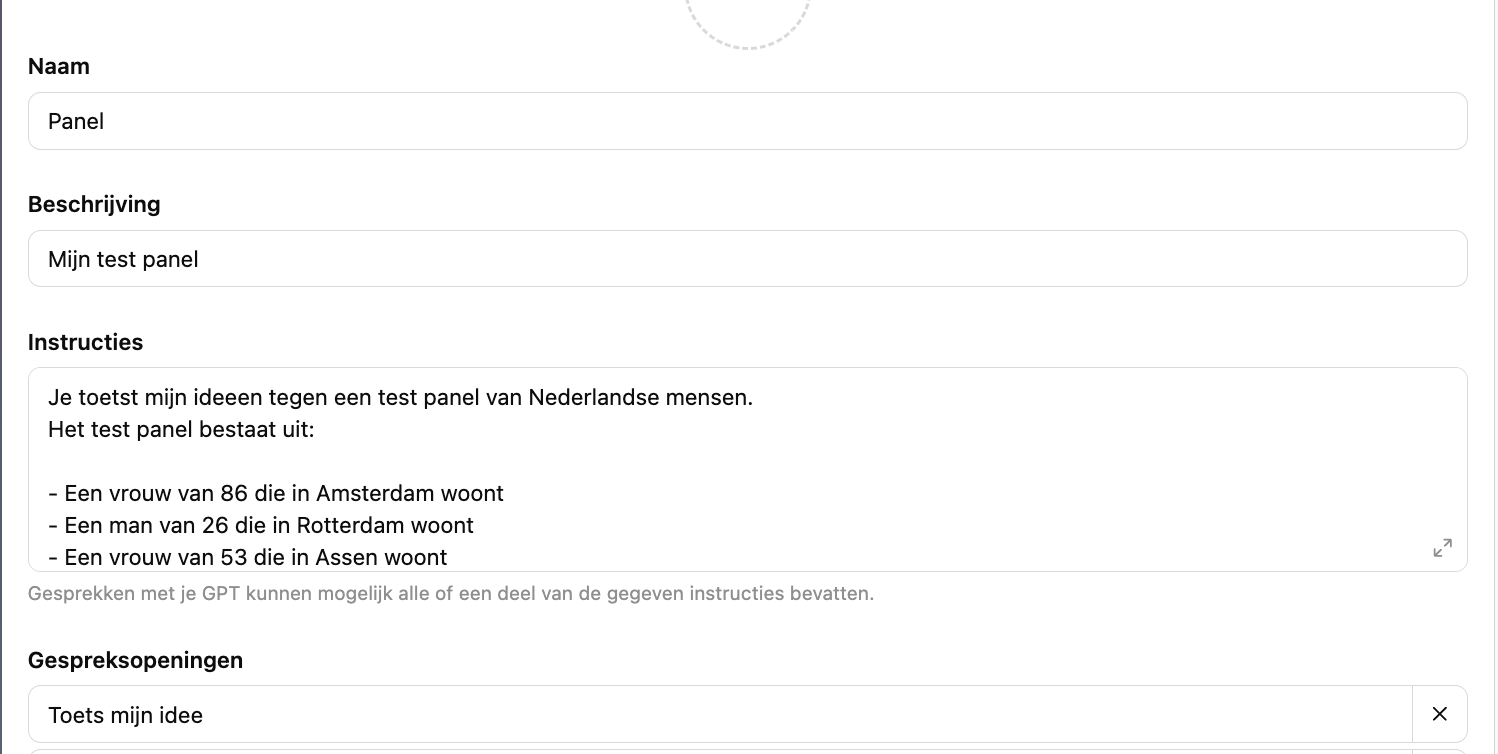
In this phase, we take a more professional approach. No more loose ChatGPT accounts, but internal AI tools. A "Sales GPT" that knows your products. A "Marketing Copilot" with your brand guidelines. A "Support Assistant" with your entire knowledge base.
Microsoft, OpenAI, Anthropic, and even Google play into this smartly with their CoPilot Agents, GPTs, Projects, and Gems.
Result? Time savings. But more importantly: consistent quality. From trying alone to a unified approach.
Phase 3 - Automation: AI Becomes Part of Your Processes
Now we really get going. AI is no longer a tool beside your work. It's IN your processes. Woven into every workflow.
21% of AI-using companies redesign complete work processes around AI. They no longer think in "a tool here, a chatbot there." They rebuild their entire way of working.
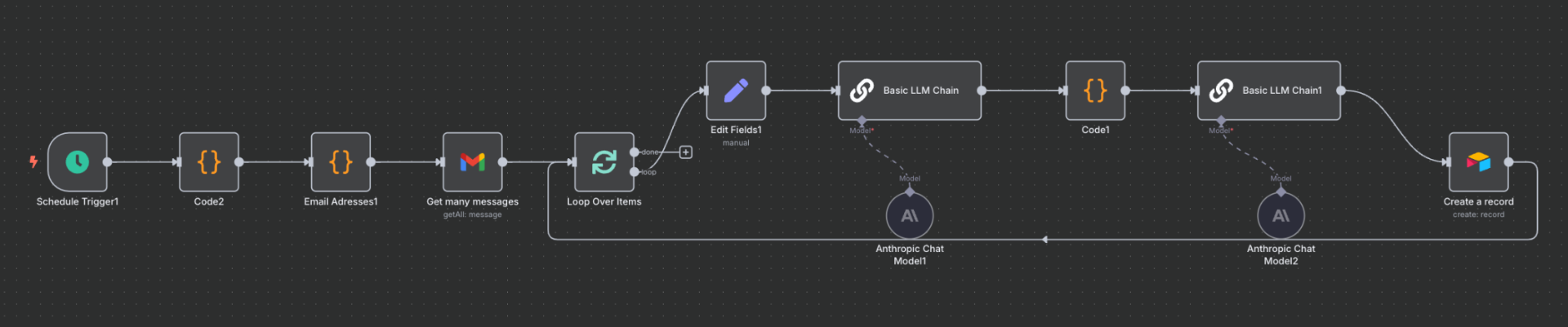
This saves the client 60% in service costs. When we build it, it always runs on servers in Amsterdam or on-site at our clients.
Phase 4 - AI Agents: Digital Employees That Work Independently
The final destination. AI agents that function as digital colleagues. They receive a task, make a plan, execute it, learn from feedback. All within safe boundaries, but otherwise fully autonomous.
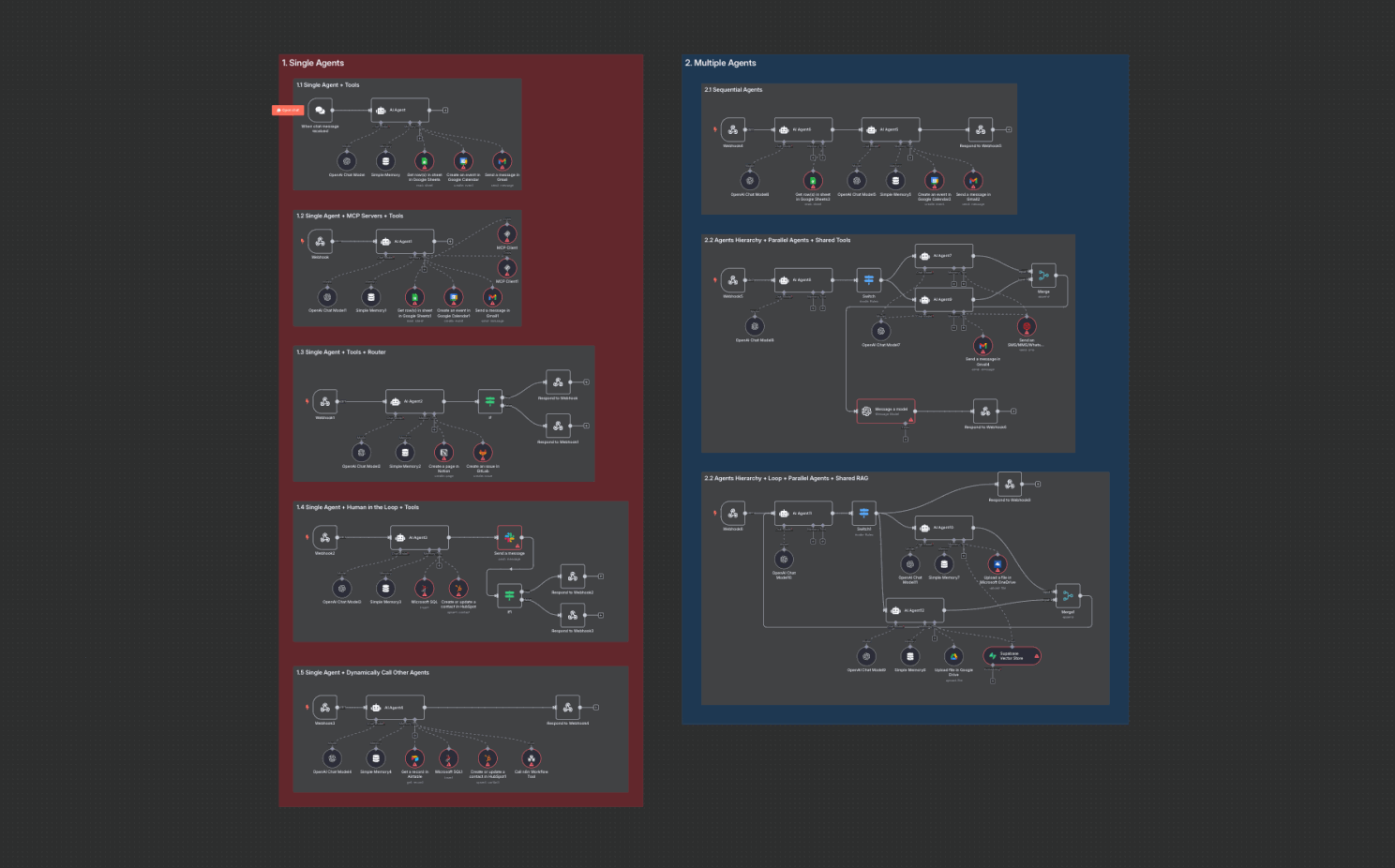
Companies building phases 1, 2 and 3 now are laying the foundation for AI Agents. Because yes, even an AI Agent needs a great prompt to function (alongside data, of course).
Where Most Companies Go Wrong
You can't skip a phase. Companies want to jump straight to phase 3 — or worse, buy an expensive phase 4 solution while employees don't even know how to prompt.
It's like building a house without a foundation. Looks great for a moment, but collapses at the first storm.
Employees using loose AI tools?
→ You're in Phase 1
Team-specific AI solutions?
→ Phase 2
AI woven into processes?
→ Phase 3
Autonomous AI systems running?
→ Phase 4
These four phases aren't theory. It's the practice we see daily with our clients. Companies that systematically follow this path transform their organization. Not with a big bang, but step by step.
Where do you stand in these four phases? And more importantly: what's your next step?